
Ever feel like you’re running on empty but can’t actually stop? You’re not alone.
We’ve all been there. You know you should rest, but your mind just won’t switch off. You follow all the self-care advice—no screens before bed, herbal tea, perfect room temperature—but you still lie awake mentally rehearsing tomorrow’s to-do list or catastrophizing about problems three weeks down the line.
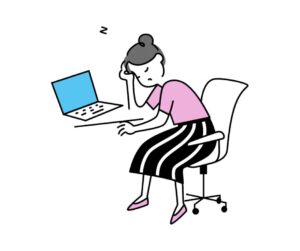
Maybe you finally get five minutes to sit down, only to hear that inner voice reminding you of everything else you should be doing. Or you’re exhausted from the day’s busy’ness but sleep remains elusive. It’s as though your “ON” switch gets stuck, and no matter how tired you are, you can’t find the OFF button.
The Perfect Storm: Why This Happens
The answer isn’t simple—it’s a complex mix of hormones, decades of living in overdrive, and the relentless juggling act that leaves us wired long after the day ends.
Midlife brings more than just shifting hormones. For years, many of us have been managing careers, relationships, caring for others, running households, and trying to squeeze in personal dreams somewhere in between. This juggling act becomes a deeply ingrained habit, a way of life built over decades where we’ve learned to push through exhaustion and ignore our own needs.
Meanwhile, our hormones—especially oestrogen and progesterone—which once helped soothe our nervous system and keep us emotionally balanced, are now fluctuating and declining. Our natural “shock absorbers” are fading, and stress hits us harder than ever before.
Enter the Cortisol Effect
Here’s where cortisol, your primary stress hormone, becomes the main character in this story. Cortisol is naturally designed to peak in the morning to help you wake up and gradually decline throughout the day, reaching its lowest point at night to allow for sleep. But when you’re under chronic stress, this rhythm gets completely disrupted—cortisol remains elevated when it should be dropping.
This creates a cascade of sleep problems:
- High evening cortisol keeps your nervous system in an alert, “fight-or-flight” state when you’re trying to wind down
- It interferes with melatonin production, making it harder to fall asleep
- Even if you do fall asleep, elevated cortisol causes frequent night time awakenings and prevents deeper, restorative sleep stages
The effects compound over time, creating a vicious cycle where stress disrupts sleep, and poor sleep increases stress. You’re left feeling tired but wired—exhausted yet unable to truly rest and recover.
After decades of roles and responsibilities as mother, daughter, carer, partner, we’re stuck with:
- A nervous system that thinks it’s always on alert
- Hormones that aren’t buffering stress as effectively as they used to
- A lifetime of habits that tell us to keep going, keep juggling, and keep ignoring the warning signs
What’s Actually Happening in Your Body
Your autonomic nervous system—the part that controls automatic functions like heart rate and digestion—is trying to do its job. But instead of switching smoothly between “go” and “rest,” it’s stuck in one gear.
Think of it like your car revving high but not moving forward, or stuck in neutral and stalled. The accelerator is pressed down all the time (your sympathetic nervous system—fight or flight), and the brakes (your parasympathetic nervous system—rest and digest) just don’t engage properly.
When you lie down to rest, your body remains in high alert. Your heart might race, thoughts flood in, and muscles stay tense. It’s not that you don’t want to rest—it’s that your nervous system can’t let you.
A Real-Life Example: When Empty Days Won’t Let You Rest
I recently worked with a client who’d been signed off work for stress and anxiety. You might think, “Great, now she can finally rest and recover.” But the reality was quite different.
She told me she hated the emptiness of her days at home. No structure, no tasks, no deadlines—just a big, wide space of nothing to fill. Instead of feeling relief, she felt lost and more anxious.
Her mind wouldn’t switch off because without familiar routines and structure, her nervous system stayed stuck in alert mode, looking for the next thing to manage, control, or worry about. Rest felt impossible, and being so caught up in her head, she started catastrophizing about work continuing without her.
This is the paradox of recovery: sometimes doing less can feel more stressful when your nervous system is stuck in high gear.
What This Feels Like Day to Day
If you’re nodding along, here’s what it might look like in real life:
- You’re exhausted but wired, dragging yourself through the day only to lie awake at night
- Your mind is constantly busy—replaying conversations, worrying about uncontrollable things, making endless mental lists
- You find yourself snapping at people, then feeling guilty afterward
- Small things feel overwhelming—a missed email, a messy kitchen, someone driving too close, and you’re escalating
- Resting feels impossible; meditation or breathing exercises don’t calm your racing mind
Sound familiar? It’s more common than you think, and it’s not your fault.
Why Pushing Harder Doesn’t Work
When you feel this way, the natural instinct is to push harder to get everything done, or to try harder to “relax”—like forcing yourself to sleep or meditate.
But when your autonomic nervous system is stuck in high-alert mode, pushing harder only makes it worse. It’s like trying to stop a spinning wheel by gripping it tighter—the faster it goes, the harder it is to hold on.
So “just relax” or “just get to bed earlier” isn’t helpful advice—it’s frustrating and often counterproductive.
How to Get Out of This “Stuck Gear”
Good news: it is possible to shift gears. But it takes patience and the right approach. Here’s what I recommend:
1. Focus on Calming the Nervous System First
Start with simple techniques like slow, deep breathing—especially lengthening the out-breath—to activate your parasympathetic nervous system. Gentle movement like walking outside, focusing on nature, or feeling your feet on the ground can remind your body it’s safe to relax.
[Download my free guide with five nervous system exercises at actuallyshecan.co.uk/ANS]
2. Give Yourself Permission to Be Kind
Extend the same kindness you show others to yourself. Practice self-compassion. This isn’t laziness or weakness—it’s your body telling you it’s done enough and needs a break. Stop beating yourself up for feeling tired or wired.
3. Look Honestly at Your Juggle
What parts of your daily load can you let go of, delegate, or say no to? It’s okay to make space for your own needs. Sometimes you’re so hyped up that the fear of letting go adds further stress, so look for tiny changes.
For example, I recently switched from taking my parents shopping—hours of stress and pain for my mum—to doing their grocery order online and collecting it. It’s a small change, but it gives me back a couple of hours in an already busy week of caring for them.
4. Seek Connection and Support
Talking to friends, family, or a professional can help you feel seen and understood, which itself soothes the nervous system. It might be a simple walk in nature with a good friend where you can offload to each other, or a more formal appointment with a therapist or coach.
5. Consider Medical or Hormonal Support if Needed
Sometimes hormone therapy, supplements, or other medical advice can be part of the solution—but it’s most effective when combined with lifestyle and nervous system approaches. Take an honest look at your habits: late nights, excessive caffeine, ultra-processed foods, alcohol—all the things you know aren’t helping but you reach for when you’re tired, perpetuating the vicious cycle.
The Bottom Line
If you’re reading this and thinking, “This is me,” please remember: you’re not broken. You’re not failing. You don’t need more and more medications. Your nervous system is just asking for a different kind of care.
Decades of habit, years of juggling, and hormonal changes don’t disappear overnight—but with kindness, understanding, and some practical tools, you can start to find your way back to rest.
If you’ve spent a lot of time in fight-or-flight mode and your ON switch gets stuck, it can be hard to step off that wheel and deal with it. But expecting to just push through isn’t a good strategy at all.
The key takeaway here is this: when your cortisol rhythm is disrupted and your nervous system is stuck in high gear, rest isn’t a luxury—it’s a necessity for healing.
Take care of yourself—truly. You’re doing better than you think.
For more support and practical tools for managing stress and hormonal changes in midlife, consider joining my upcoming programs or downloading the free nervous system guide mentioned above.